Walk into a new mall, hotel lobby or premium showroom in Bengaluru and you will often notice that the lift is no longer hidden behind a plain steel door. It is part of the architecture. Glass and capsule lifts have become one of the most popular design choices for modern buildings, and they are now appearing in villas and duplex homes too.
Here are the design trends to know, along with the practical points that decide whether a glass lift will work well for you.
Why glass and capsule lifts are popular
A glass lift turns a simple ride into an experience. Passengers see the building, the atrium or the garden while they travel, and the lift becomes a feature that visitors remember. For commercial spaces, that visibility adds to the brand. For homes, it brings light into the staircase area and makes the space feel larger.
Design trends to watch
- Panoramic glass on three or four sides. Full-height glass with slim frames gives the clearest view and the lightest look.
- Round capsule cabins. Curved glass with metallic bands has become a signature look for malls, hotels and showrooms.
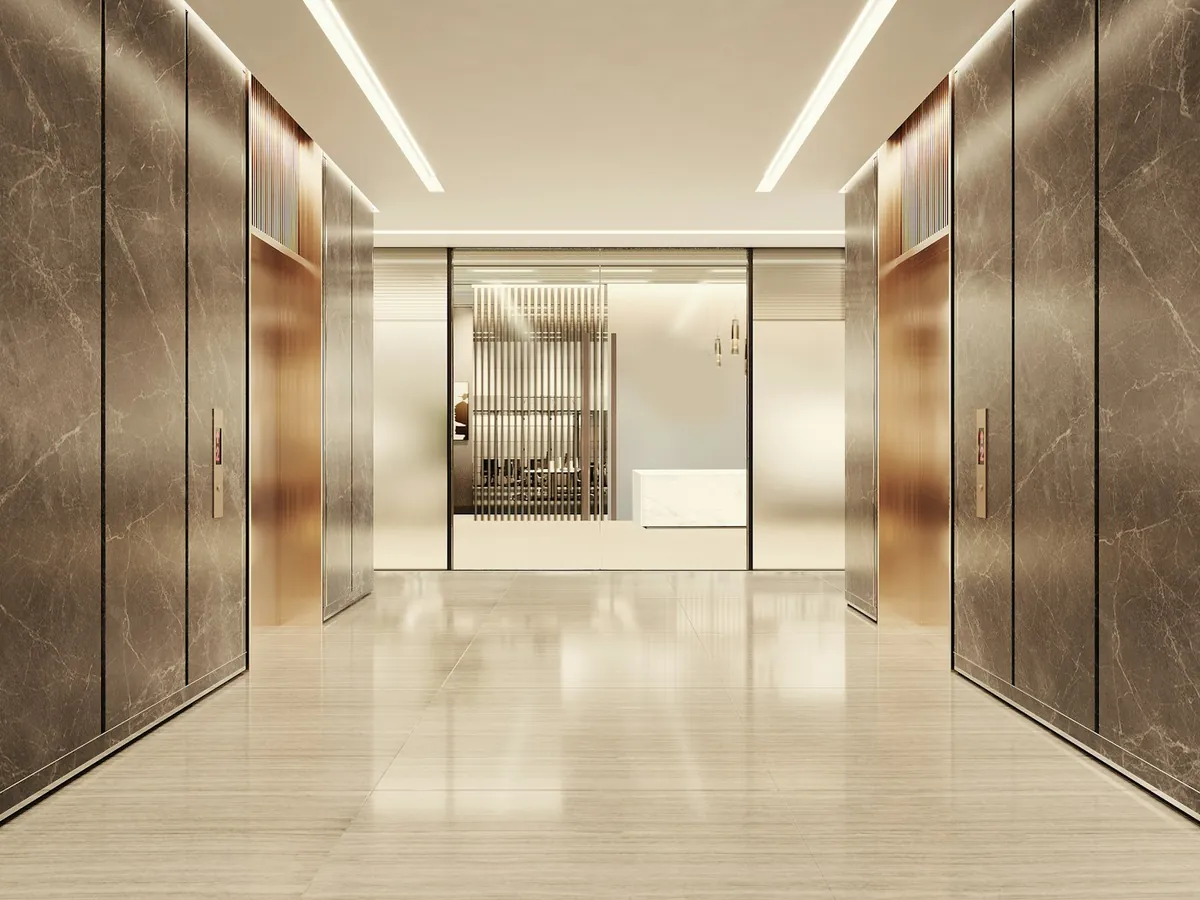
- Warm metallic finishes. Brass, gold and bronze-toned panels in the cabin and shaft cladding add a premium feel and pair well with marble and wood.
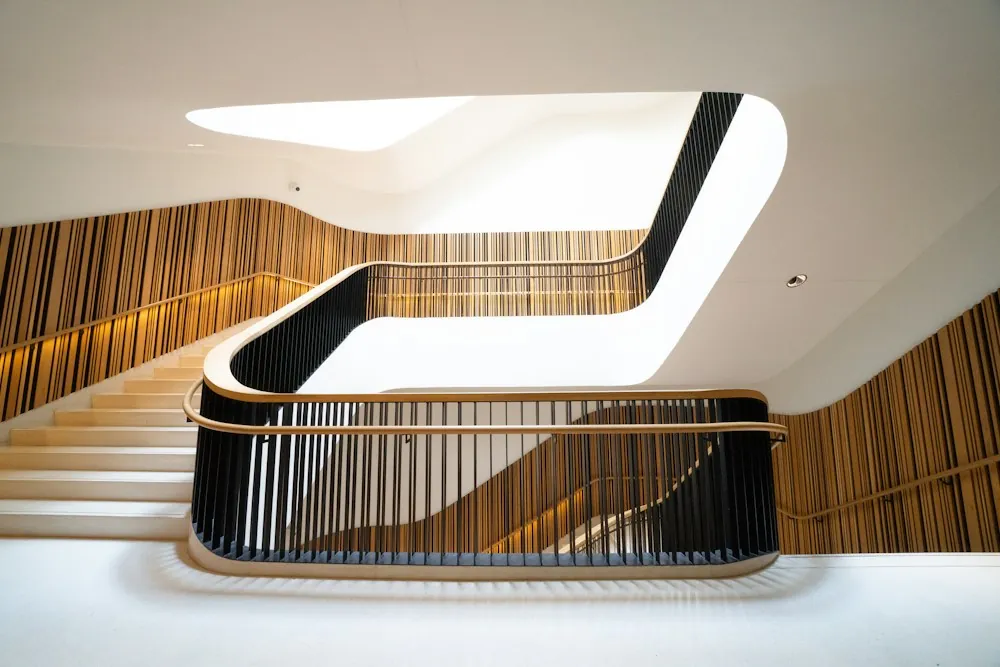
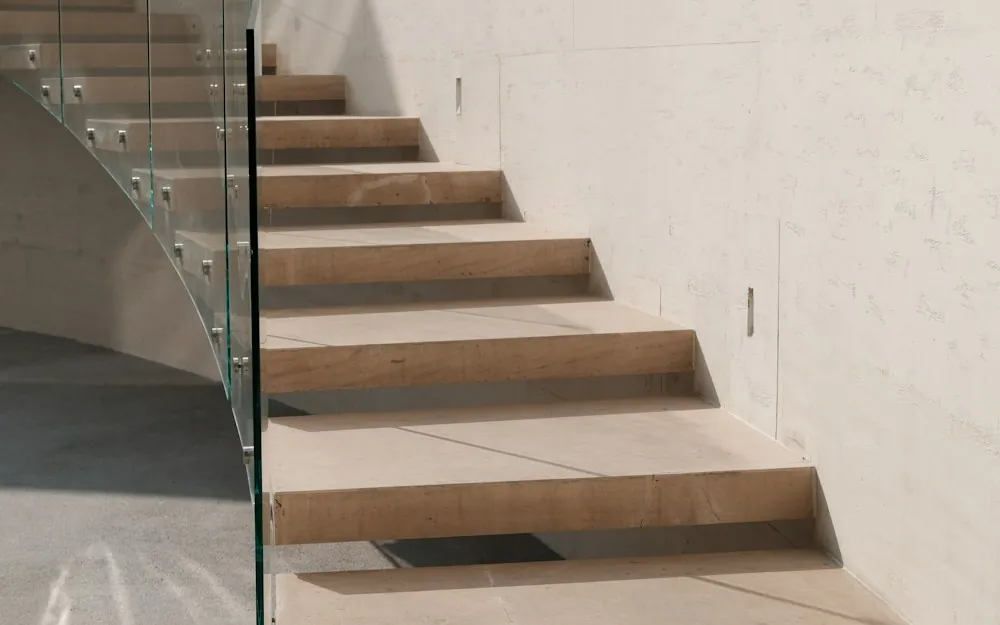
- Glass shaft beside a floating staircase. In modern villas and duplexes, a glass lift next to the staircase becomes a design element and not an afterthought.
- Layered LED lighting. Soft ceiling lights, indirect strip lighting and subtle floor lights make the cabin feel calm and elegant.
- Minimal control panels. Slim, flush panels with clear numbers keep the cabin clean and easy to use.
- Customised floors and ceilings. Stone-look flooring, wood-look panels or mirrored ceilings can match the interior of the building.
Practical points before you choose glass
- Safety glass. Lift glass should be safety-rated laminated or toughened glass, installed by trained technicians. Ask for the glass specification.
- Sun and heat. Bengaluru's weather is mild, but strong afternoon sun can still heat a fully glass cabin. Consider glass tint, ventilation and the direction the lift faces.
- Structure. A glass or capsule lift needs a well-planned supporting structure. Early planning with your architect avoids costly changes.
- Cleaning. Glass shows fingerprints and dust. Plan regular cleaning and choose finishes that are easy to maintain.
- Privacy. In homes, consider frosted or partially frosted glass where privacy matters.
- Maintenance. A lift that is highly visible must look and run well. A regular maintenance plan keeps both the glass and the mechanics at their best. See our AMC guide.
Where each style works best
Malls, hotels and showrooms: a capsule lift adds a landmark feature to the atrium or lobby. Villas and duplex homes: a villa lift with glass sides brings light and a modern look. Offices and apartments: a standard passenger lift with a glass back wall or glass doors gives a lighter feel without the cost of a full capsule.
Budget and planning
Glass and capsule lifts usually need more design and structural planning than a standard lift, so the budget needs to account for the shaft or structure, glass, finishes and lighting. Our guide to home lift cost explains how these choices affect price.
See it in practice
Browse our project gallery for installed lifts, or contact our team to discuss a glass or capsule lift for your building in Bangalore.
Key takeaways
- Panoramic glass, round capsules, warm metallic finishes and layered lighting lead the trends.
- Check glass safety, heat, structure, cleaning and privacy before you decide.
- Plan early with your architect and budget for maintenance.