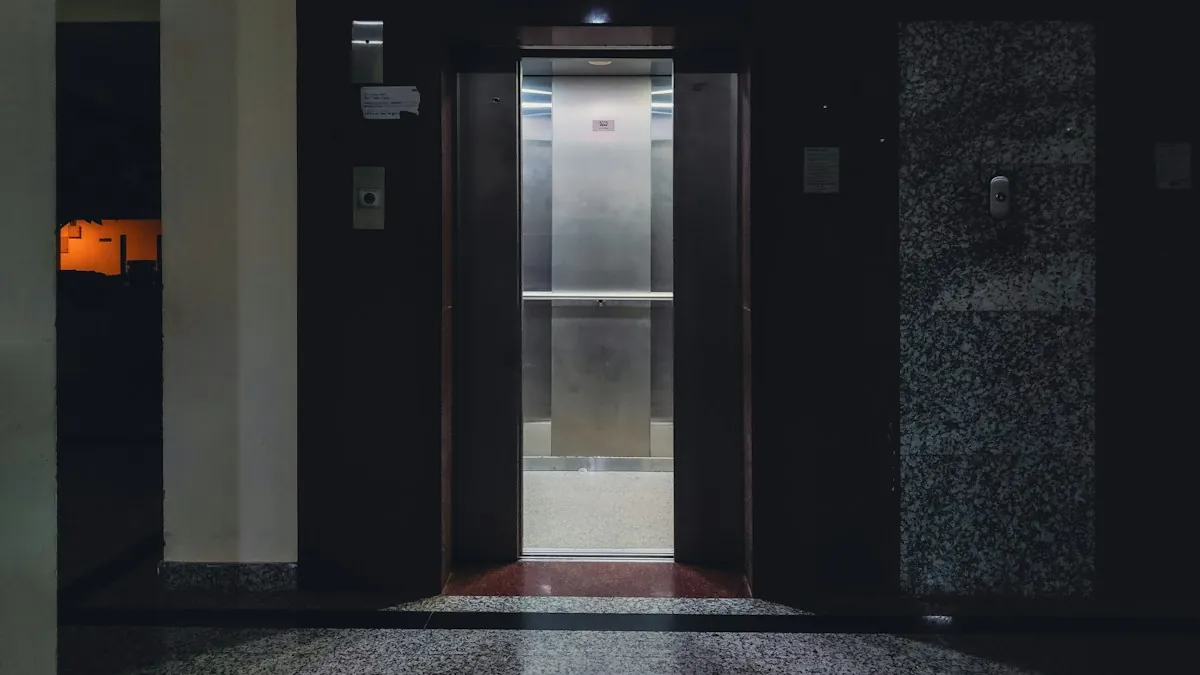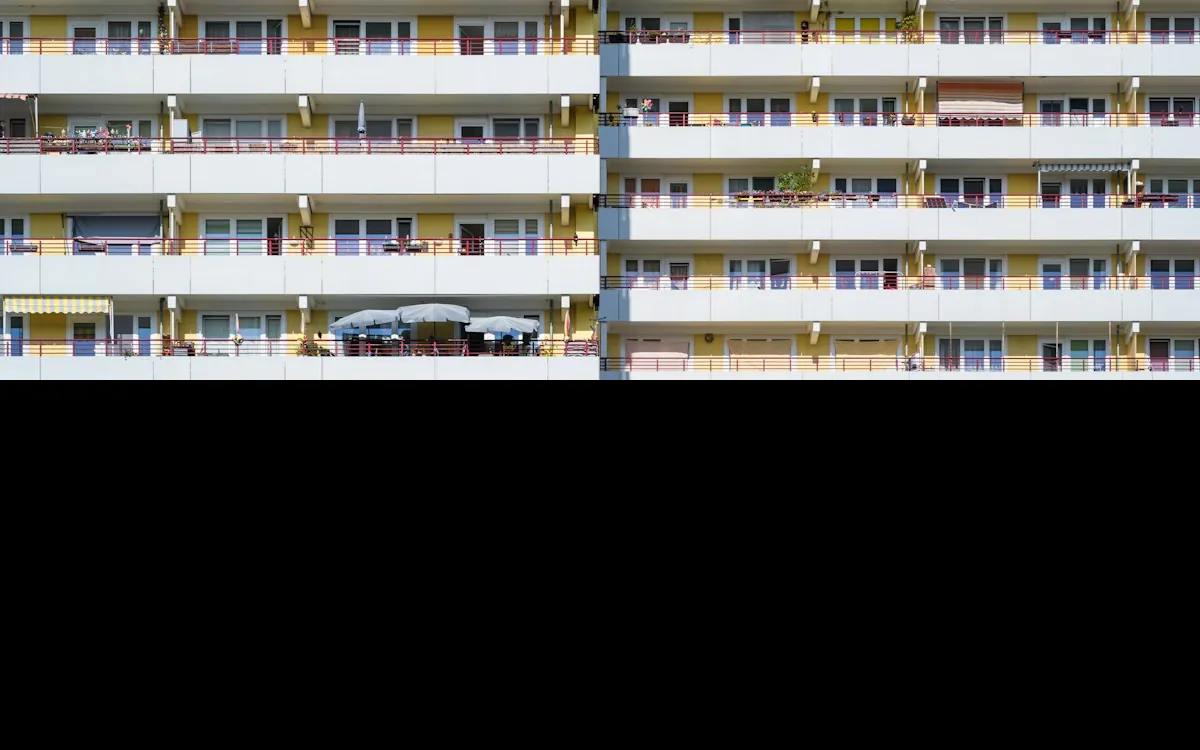
A lift in a villa and a lift in a hospital may look similar from the outside, but they are built for very different lives. A residential lift serves a household; a commercial lift serves hundreds of people or heavy loads every day. Choosing the wrong one means breakdowns, complaints and costly replacements.
Here is how to tell them apart and decide which one you need.
The core difference: how the lift is used
A residential lift is used by a family a few times an hour at most. A commercial lift in an office, hospital, mall or warehouse may run all day with many people or heavy loads. That one difference affects almost everything else in the design.
| Point | Residential lift | Commercial lift |
|---|---|---|
| Typical buildings | Houses, duplexes, villas, small apartment blocks | Offices, hospitals, malls, hotels, warehouses, large apartment towers |
| Usage | Light, a few trips an hour | Heavy, continuous use through the day |
| Capacity | Compact cabins for a few people | Larger cabins and higher loads, sized to the building |
| Design focus | Comfort, quietness, interior matching | Reliability, speed, durability, crowd handling |
| Safety needs | Door safety, emergency lighting, power-cut rescue | All of these, plus fire-mode, priority operation and more as the building requires |
| Maintenance | Regular servicing and AMC | More frequent servicing and a fast breakdown response |
Where apartments fit
Apartment buildings sit between the two. A small block of a few flats may use a residential-type lift, while a large tower with hundreds of residents needs a high-duty commercial-grade passenger lift. Read our guide to planning lifts for apartment buildings for the details, and see our apartment lifts.
Types of commercial lifts
Commercial lifts come in many forms: passenger lifts for offices and towers, hospital lifts for beds and stretchers, goods and freight lifts for stock and heavy loads, capsule lifts for malls and hotels, car lifts, and escalators. See all of them on our page about commercial lifts and elevators in Bangalore.
How to decide which one you need
- Count how many people or how much weight will use the lift in a day.
- Note whether the lift must run during peak hours without waiting.
- Decide who will use it: family members, visitors, patients, staff or goods.
- Check the rules and safety requirements that apply to your building type.
- Ask your installer to recommend a lift and explain why it suits the use.
Common mistakes
- Using a light-duty lift in a building with heavy traffic.
- Over-specifying a home with a commercial lift that costs more than needed.
- Ignoring future growth in people or loads.
- Skipping the service plan, especially for lifts with heavy use.
If you are unsure, talk to our team about your residential elevator or commercial project and we will advise after a site visit.
Key takeaways
- Residential lifts suit light household use; commercial lifts are built for heavy, continuous use.
- Apartment buildings may need either, depending on size and traffic.
- Choose by usage, capacity and safety needs, and plan maintenance from the start.