Most people see a lift only when it is finished. Behind that smooth ride is a careful process of surveying, planning, preparing the shaft, installing equipment and testing every safety device. If you know the steps before you start, you can plan your project, avoid delays and ask the right questions.
Here is how lift installation in Bangalore usually works, from the first phone call to the day the lift is handed over.
Step 1: Site survey and requirement study
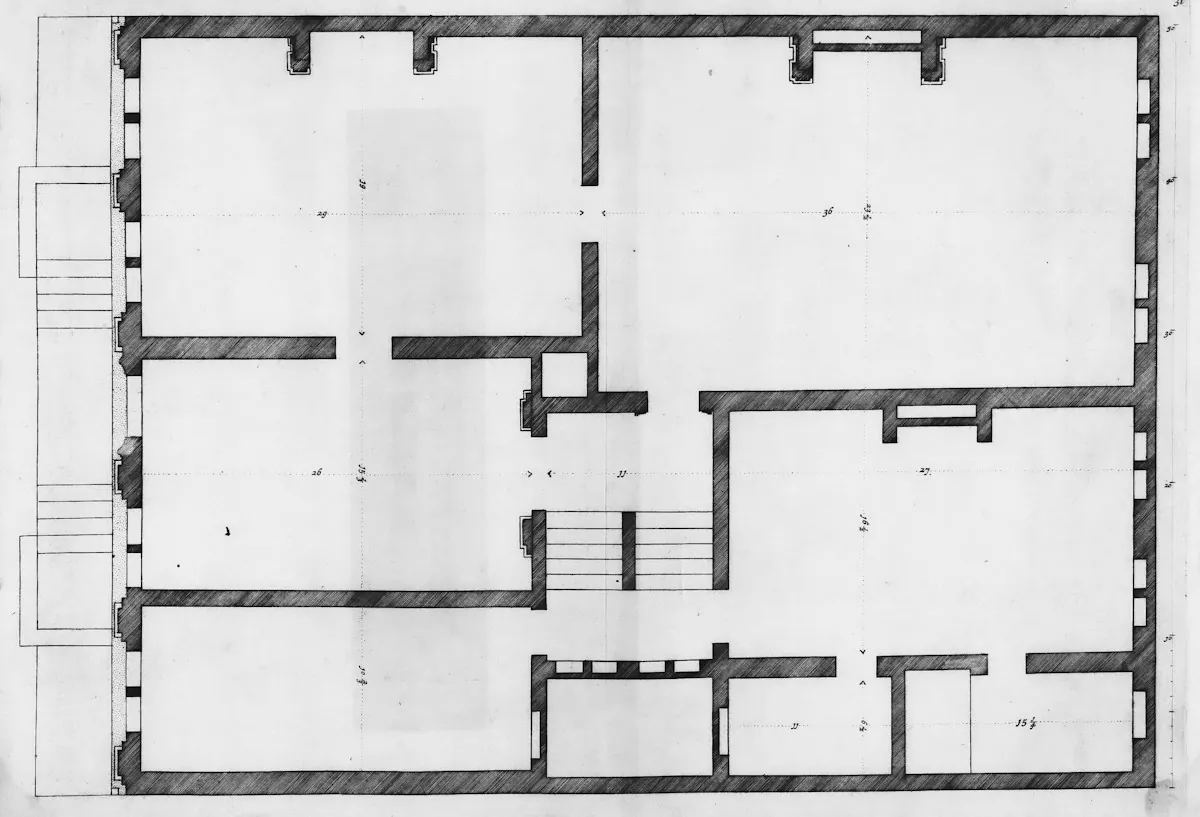
Every installation starts with a visit to your site. The installer measures the shaft or the space where a shaft can be built, notes the floor heights and the number of stops, and checks the pit, the overhead space, the power supply and access for materials. They also ask how the lift will be used: how many people, which loads, how often and by whom. This is the foundation of the whole project, so it is worth being present and sharing your plans.
Step 2: Design, drawings and quotation
With the survey data, the installer recommends the type of lift, capacity, speed, door type and finishes, and prepares drawings and an itemised quotation. A good quotation lists the scope, safety features, civil and electrical works, timeline, payment stages and maintenance terms. Compare quotations on scope, not just on price. Our guide on how to choose an elevator company in Bangalore lists what to look for.
Step 3: Getting the shaft and building ready
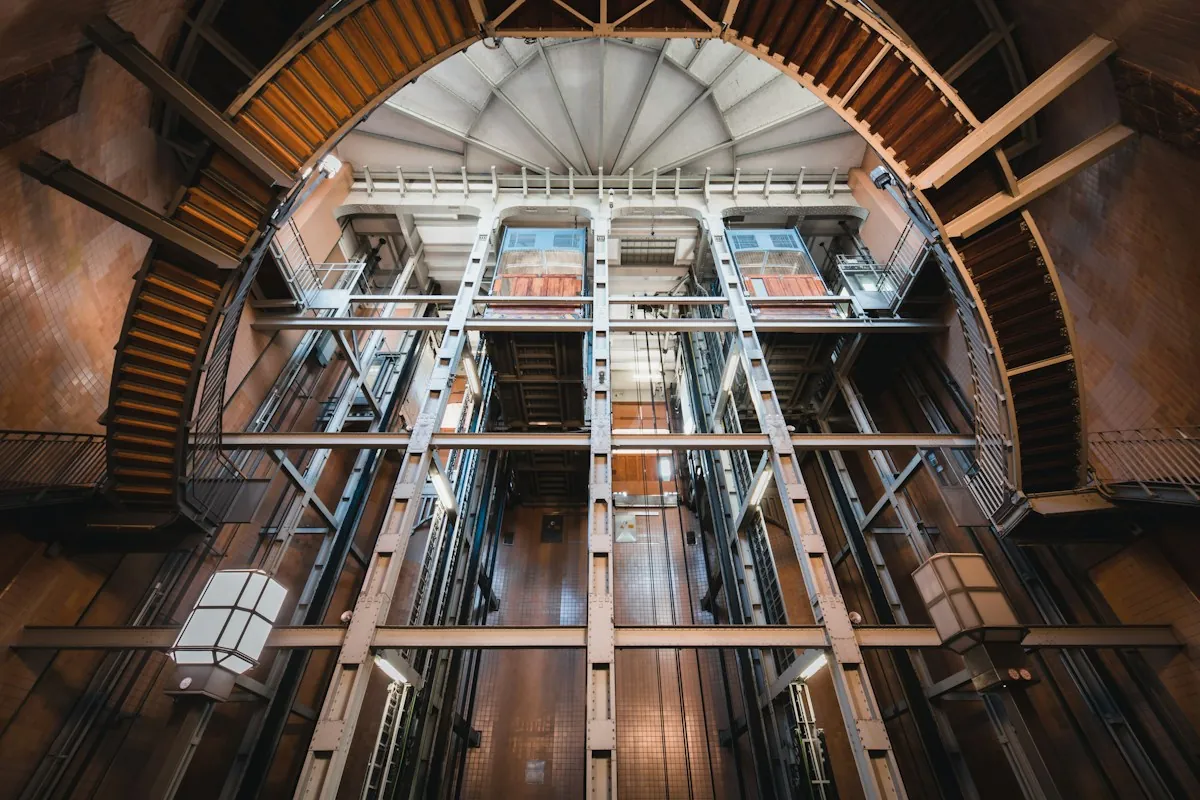
Before installation can begin, the building must be ready: a plumb shaft of the right size, a pit of the right depth, enough overhead height, a machine room if the design needs one, landing openings, and a dedicated, properly earthed power supply. Delays often happen at this stage, so confirm with your contractor who is responsible for each item. Read how much space a home lift needs for a simple explanation of shaft, pit and overhead.
Step 4: Delivery of equipment to site
The lift equipment is brought to site in stages, usually matched to the installation sequence. Safe storage on site, clear access routes and a covered area protect the components from damage.
Step 5: Installation and wiring
Trained technicians install the guide rails inside the shaft, then the car frame and cabin, the doors at each landing, the drive and controller, ropes or other suspension, and the electrical wiring and call buttons. Work at height requires proper safety practice, so make sure the installer follows site safety rules and that the area around the shaft is protected from unauthorised access.
Step 6: Adjustment and testing
When the lift is assembled, it is adjusted and tested thoroughly. Technicians check travel, levelling, door operation, brakes, overload protection, emergency lighting, alarm and intercom, and every safety device. Nothing should be skipped here: this is where the lift becomes safe for passengers.
Step 7: Inspection, licensing and handover
Lifts in Karnataka are regulated, so inspection and licensing steps apply before regular use. Your installer should guide you on what is required, help with the paperwork and explain how to operate the lift and what to do in an emergency. At handover you should receive the operating instructions, the contact number for service and a clear statement of warranty and maintenance terms.
Step 8: Service and AMC after handover
A lift is a long-term asset. Preventive maintenance keeps it safe and avoids breakdowns, so arrange an AMC from day one. Our lift AMC guide explains the options, and our lift service and AMC page shows how we support lifts after installation.
A checklist before installation starts
- The final quotation, drawings and scope of work are agreed in writing.
- The shaft, pit, overhead and landing openings match the drawings.
- Power supply and earthing are ready as per the installer's requirement.
- A safe storage area and access route for materials are available.
- The installation timeline and payment stages are clear to everyone.
The Eider Elevators process
We follow four clear stages: site evaluation, custom design and planning, installation and execution, and testing and handover. You can see these on our About page. Whether you need a passenger lift, a home lift or a goods lift, contact our team to start with a site visit.
Key takeaways
- Lift installation runs from site survey and quotation to shaft readiness, installation, testing and handover.
- Most delays come from the building not being ready, so confirm the shaft, pit, overhead and power early.
- Arrange inspection support, operating instructions and an AMC before you start using the lift.